Rain, snow, road salt, UV rays — your cargo takes a beating out there. The right tarp is the difference between delivering clean product and filing a damage claim. But with so many options, sizes, and materials, buying a tarp shouldn't be a guessing game.
We compared the top cargo tarps for hot shot trucking across durability, weight, coverage, and price. Here's what we found.
Lumber Tarps vs. Steel Tarps: What's the Difference?
Before you buy, know which tarp type you need. They're built for different loads:
- Lumber Tarps: Designed for tall loads like lumber, drywall, and building materials. They have 6–8 ft drops on the sides to cover stacked cargo completely. Usually the largest and heaviest tarps on a flatbed.
- Steel Tarps: Built for shorter, denser loads like steel coils, pipe, and machinery. Typically 4 ft drops. They're heavier-duty because steel loads have sharp edges that shred thinner tarps.
- Coil Tarps: Dome-shaped tarps specifically for steel coils. If you're hauling coiled steel, you need these — a lumber tarp won't contour properly.
- Machinery Tarps: For covering equipment and odd-shaped loads. Often used as supplementary coverage alongside lumber or steel tarps.
The Top 4 Cargo Tarps for Hot Shot Truckers
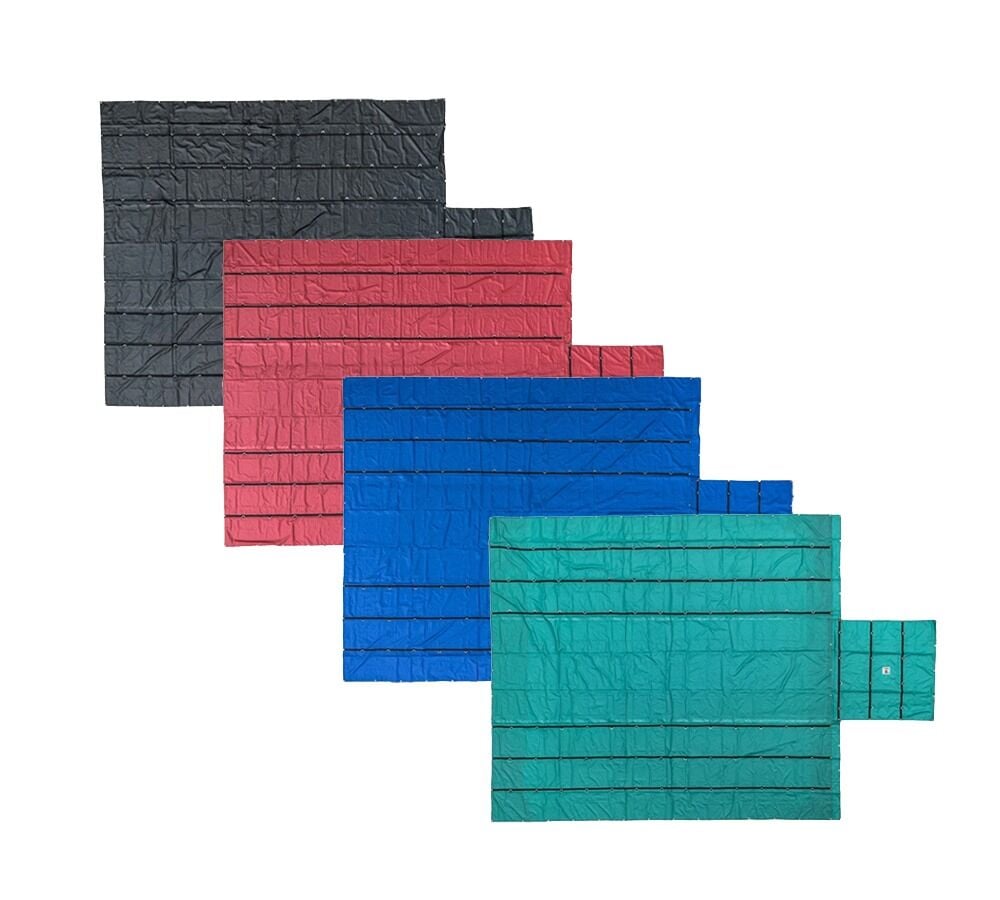
Mytee 24' x 27' Heavy Duty 18oz Lumber Tarp (8' Drop)
Material: 18oz PVC vinyl · Drop: 8 ft · Size: 24' x 27'
This is the tarp that most experienced flatbed operators recommend. The 18oz PVC vinyl is heavy enough to resist tearing on rough loads but flexible enough to fold and store. The 8-foot drop covers stacked lumber completely, and the brass grommets are spaced every 2 feet for secure tie-down.
At this weight class, you're getting a tarp that will last 2–3 seasons of daily use. The D-rings on the sides make it easy to secure with bungee cords or tarp straps.

Mytee Heavy Duty PVC Cargo Tarp
Material: 18oz PVC vinyl · Drop: Varies · Multiple sizes available
If you don't need a full lumber tarp and just want solid weather protection for flat loads, this is the one. It's the same 18oz PVC material as the lumber tarp above, but in a simpler flat configuration. Great for steel, machinery, or palletized cargo that doesn't need a tall drop.
Heat-welded seams keep water out even in driving rain. The reinforced corners resist the wear that kills cheaper tarps in months.
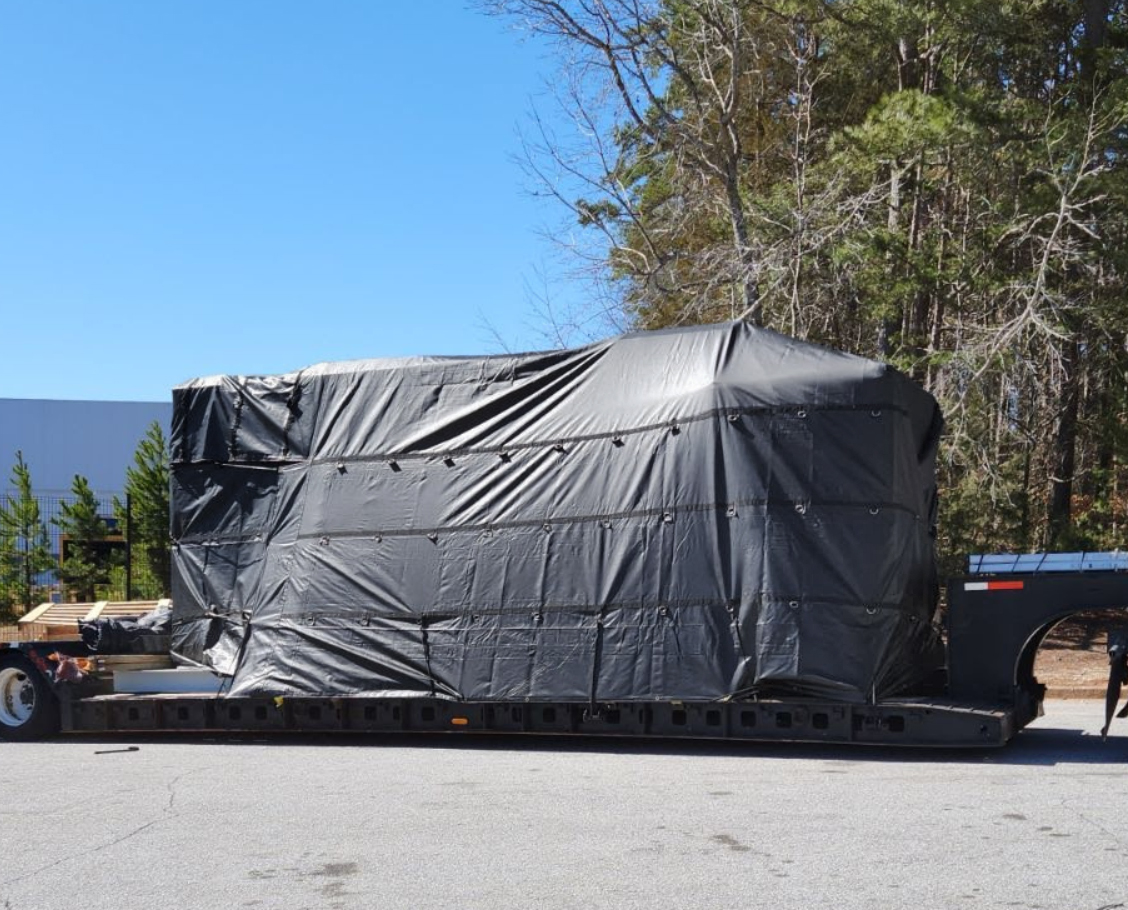
Carolina Tarps Lumber Tarp
Material: 18oz PVC · Drop: 6–8 ft · Size: Multiple configurations
Carolina Tarps is the gold standard for flatbed operators who refuse to compromise. Their tarps are hand-stitched in the USA with triple-reinforced seams and heavy-duty D-rings that won't pull out after a season of hard use.
The Cordura-reinforced edges are the key differentiator — they resist abrasion where the tarp contacts the load, which is where most tarps fail first. If you're hauling daily and want a tarp that lasts 3+ years, this is the investment.

Harbor Freight Extreme Duty Truck Tarp (12 mil)
Material: 12 mil polyethylene · Drop: Flat coverage · Size: 12' x 20'
Okay, hear us out. This isn't a flatbed-grade tarp. It's a heavy-duty poly tarp that works great as a supplementary cover — throw it over your lumber tarp for extra UV protection, use it to cover a palletized load for a short haul, or keep one as a backup.
At this price, buy two. They're perfect for the loads that don't justify your expensive tarp but still need weather protection.
Tarp Weight: Does It Matter?
Yes — tarp weight affects three things: durability, ease of handling, and storage. Here's the breakdown:
- 10-14oz: Lightweight, easy to fold, but won't last more than a season of daily use. Fine for occasional hauling.
- 16oz: The middle ground. Good durability without being too heavy to handle solo.
- 18oz: The industry standard for full-time flatbedders. Heavy, but it takes a beating and keeps performing.
- 22oz+: Extreme duty. Usually overkill for hot shot trucking unless you're hauling steel coils or rough-edged loads daily.
How to Make Your Cargo Tarp Last Longer
A good tarp is an investment. Protect it:
- Use edge protectors — Every sharp edge under your tarp is a potential tear. Edge protectors cost $10 and save you hundreds in tarp replacements.
- Don't over-tighten bungee cords — Overtightened straps stretch the grommets and cause the fabric to tear around the holes.
- Fold, don't crumple — Folding your tarp along its natural creases prevents stress fractures in the vinyl.
- Store dry — A wet tarp stored in your toolbox will mildew and weaken the fabric. Always let it dry before packing it away.
- Keep a repair kit — Tarp repair tape and a needle kit can save a load when you're 500 miles from nowhere.
FAQ
What size lumber tarp do I need for a 40' flatbed?
Most operators use two 24' lumber tarps to cover a full 40' flatbed with stacked loads. If your loads are shorter, a single tarp may suffice.
How long do PVC vinyl tarps last?
With daily use and proper care, an 18oz PVC vinyl tarp should last 2–3 years. UV exposure is the biggest factor — tarps used in southern states degrade faster.
Do I need a steel tarp and a lumber tarp?
If you haul both types of loads, yes. Steel tarps are shorter and heavier, while lumber tarps have taller drops. Using the wrong tarp for the load risks both damage and DOT violations.
Gear up for your next haul
Shop cargo tarps, edge protectors, and load securement gear at Hotrig Gear.
Shop Cargo Tarps →Hotrig Gear is a participant in the Amazon Associates program. As an Amazon Associate we earn from qualifying purchases. Product prices and availability are subject to change.